
Metatarsal Stress Fracture in Runners: Symptoms, Causes, Treatment & Return to Running
By Sports2Science | Sports Biomechanics & Running Analysis Centre, Chennai

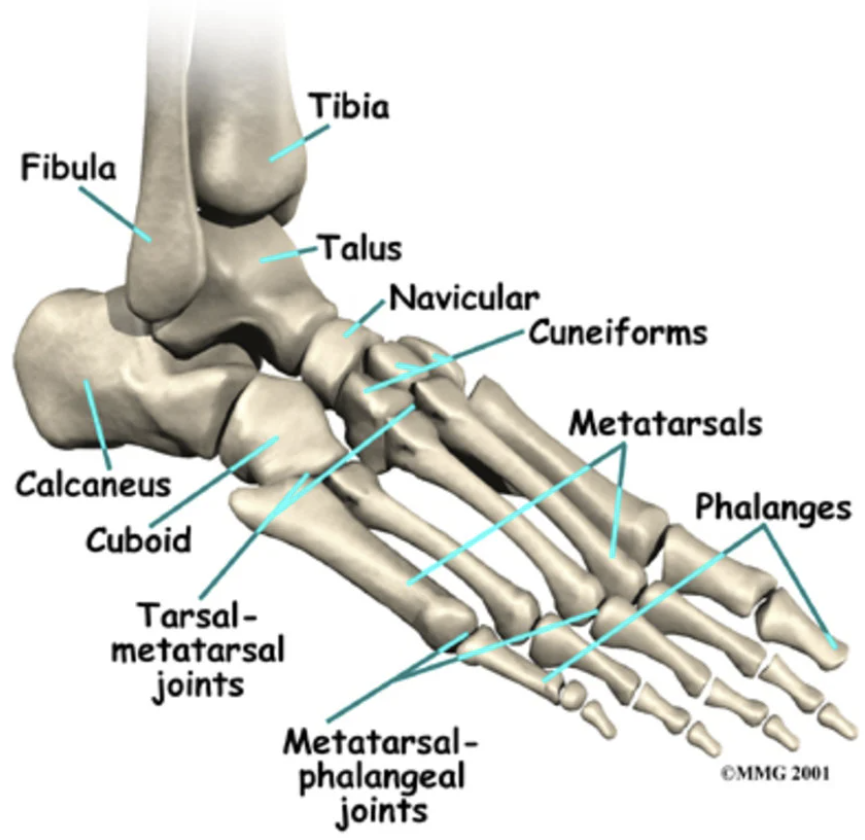
A metatarsal stress fracture is a small crack or bone stress injury in one of the long bones of the forefoot. It commonly develops gradually in runners, badminton players, dancers, military trainees, and athletes who repeatedly load the foot. The second and third metatarsals are commonly affected, especially when training load, footwear, foot mechanics, or recovery are not well managed.
Common Symptoms
Pain usually starts slowly in the front or middle part of the foot. In the beginning, the athlete may feel pain only during running, jumping, or footwork drills. Later, pain may appear while walking, climbing stairs, or even at rest.
Typical signs include:
- Forefoot pain during activity
- Swelling over the foot
- Tenderness over a specific metatarsal bone
- Pain during push-off while walking or running
- Increasing discomfort with impact activities
- Pain that improves with rest but returns during loading
Why It Happens
At Sports2Science, we often see that stress fractures are not caused by one single mistake. They happen when the bone receives more repeated load than it can recover from.
Common contributing factors include:
- Sudden increase in running mileage
- Excessive jumping or court training
- Poor recovery between sessions
- Hard training surfaces
- Worn-out footwear
- Overpronation or rigid arches
- Weak calf-foot strength
- Reduced bone recovery capacity
- Poor nutrition or low vitamin D
- High repetitive loading without adaptation
Sports2Science Biomechanics Perspective
A metatarsal stress fracture is not only a “bone problem.” It is often a movement mechanics and load-management issue.
During running or badminton footwork, the forefoot absorbs repeated force during landing, braking, and push-off. If the athlete has poor ankle stiffness control, excessive forefoot loading, reduced hip stability, or delayed calf recovery, the metatarsals may experience higher repetitive stress.
This is why Sports2Science recommends a complete running or movement analysis before returning fully to sport.

Treatment and Recovery
The first step is to reduce painful weight-bearing activity. Running, jumping, and high-impact drills should stop until proper healing begins. Cross-training such as cycling or swimming may help maintain fitness while reducing stress on the foot.
In some cases, a walking boot or temporary unloading may be required depending on the severity and location of the injury.
Recovery usually involves:
- Relative rest
- Gradual loading progression
- Foot and calf strengthening
- Mobility restoration
- Running mechanics correction
- Progressive return-to-running plan
- Monitoring pain response carefully
When Can You Run Again?
Return to running should begin only when:
- Walking is pain-free
- Local tenderness has reduced
- Hopping becomes comfortable
- Strength and balance improve
- The athlete can tolerate controlled loading
At Sports2Science, we prefer a criteria-based return rather than rushing based only on timelines.
A gradual progression is extremely important. Sudden return to speed work or long-distance running may delay recovery or increase re-injury risk.
Prevention for Runners and Athletes
Prevention starts with smarter training and better movement awareness.
Important preventive strategies include:
- Gradual increase in training load
- Proper recovery and sleep
- Strengthening calf and foot muscles
- Monitoring footwear condition
- Improving running mechanics
- Managing impact exposure
- Optimizing nutrition and hydration
- Regular biomechanics assessment
A gait analysis can identify whether an athlete is overloading the forefoot due to stride pattern, cadence, braking mechanics, foot strike, or poor proximal control.
Sports2Science Approach
At Sports2Science, we combine:
- Running biomechanics
- Movement analysis
- Foot loading assessment
- Strength evaluation
- Athlete-specific rehabilitation
- Return-to-performance planning
to help runners and athletes recover safely while improving long-term movement efficiency.
Conclusion
Forefoot pain should never be ignored, especially in runners and athletes involved in repetitive loading sports. Early assessment and proper management can prevent a small stress reaction from becoming a more serious fracture.
For running analysis in Chennai, gait analysis in Chennai, sports injury assessment, foot pain assessment, running biomechanics, and return-to-running rehabilitation, contact Sports2Science.
Disclaimer: This article is intended for awareness and educational purposes only and should not replace professional medical advice or diagnosis.
metatarsal stress fracture, forefoot pain in runners, running injury Chennai, gait analysis Chennai, running biomechanics Chennai, Sports2Science, foot pain while running, stress fracture treatment, return to running after stress fracture.